Upward Lighting: The Art of Architectural Grazing for Luxury Homes
Some links may earn Veluce a commission at no extra cost to you. Purchases, delivery and returns are handled by the retailer. Affiliate disclosure.
Quick Takeaways
- Architectural grazing reveals texture through shadow
- Natural stone and brick produce the strongest results
- Use narrow-beam up/down lights placed close to the wall
- Warm white lighting (2700K–3000K) creates the most inviting effect
- Layer facade lighting with tree and path lighting for a luxury result
What Is Architectural Grazing?
Upward lighting — known in professional design circles as architectural grazing — is one of the most sophisticated techniques in outdoor illumination. By directing light upward along vertical surfaces, you create stunning shadow play that reveals depth, dimension, and character that daylight simply cannot show.
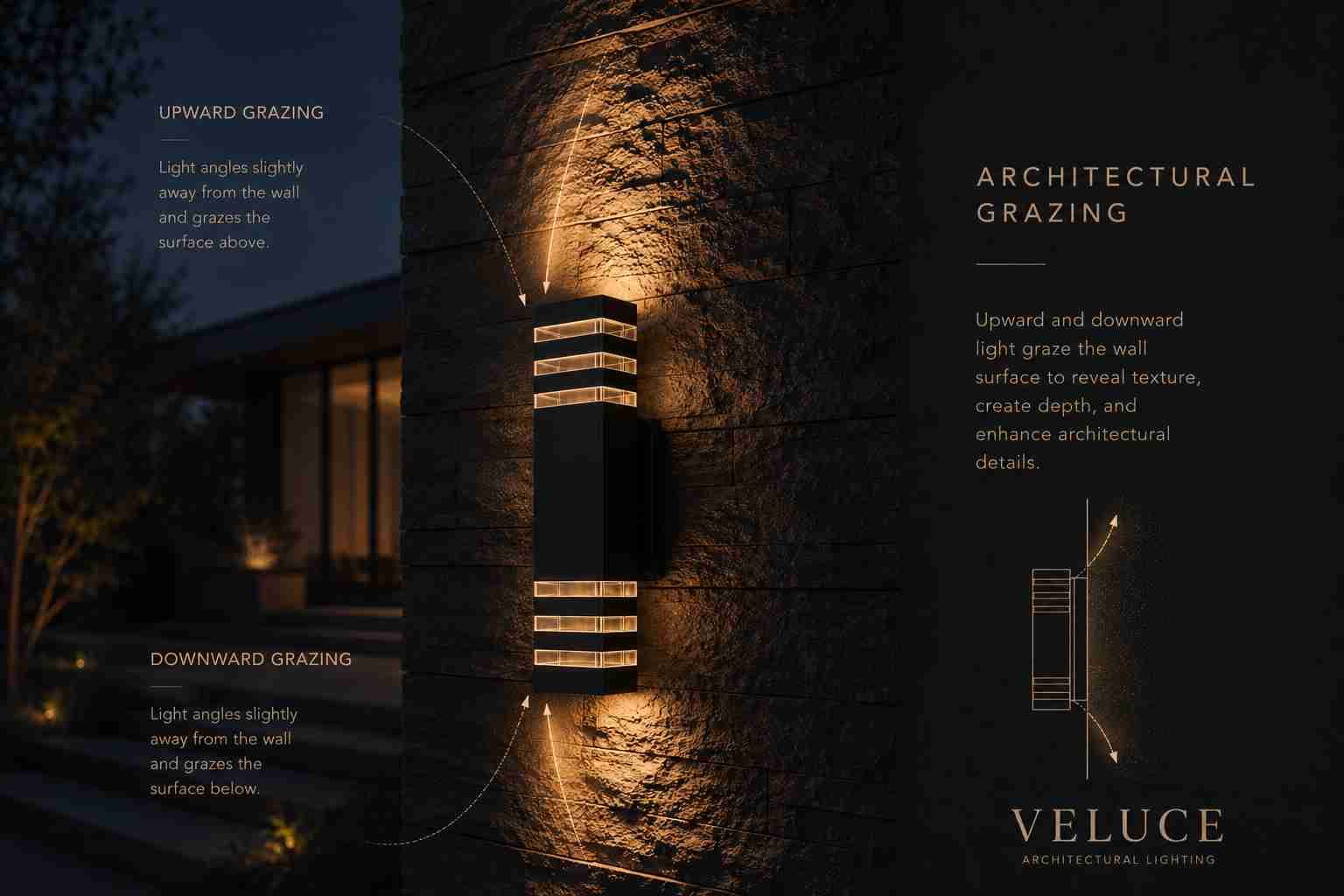
When light travels upward across a textured surface, it casts pronounced shadows that accentuate every ridge, crevice, and material detail. This technique adds visual drama and movement, making even modest architecture feel monumental after dark.
Well-executed upward lighting transforms how a property feels after dark. A home that appears ordinary by day becomes a striking architectural presence at night — enhancing curb appeal, perceived value, and the enjoyment of outdoor spaces well into the evening.
Why Grazing Works: The Psychology of Light
Architectural grazing succeeds for three psychological reasons. First, shadows create the illusion of three-dimensionality on flat surfaces, making walls appear deeper and more substantial. Second, light draws the eye upward, emphasizing height and architectural importance. Third, thoughtful exterior lighting can enhance perceptions of quality, craftsmanship, and prestige.
Best Surfaces for Architectural Grazing
Not every surface deserves upward lighting. The technique works best on:
| Surface | Performance |
|---|---|
| Natural stone | Excellent — every ridge and crevice becomes visible |
| Stacked stone | Outstanding — dramatic shadow play |
| Brick | Good — deep mortar lines create rhythm |
| Concrete | Subtle but effective — emphasizes form |
| Timber slats | Excellent — shadows between slats create depth |
| Board-and-batten | Good — vertical lines are emphasized |
Surfaces to avoid: flat stucco, smooth plaster, and vinyl siding produce minimal shadow contrast.
In my experience, homeowners are often surprised by how much impact a single grazed stone wall can have. Before adding more fixtures, perfect one focal point and build outward from there.
Where Grazing Creates the Greatest Impact
Architectural grazing transforms specific areas of a luxury home:
| Location | Effect |
|---|---|
| Entry facades | Creates a grand, welcoming arrival experience |
| Courtyard walls | Defines intimate outdoor rooms |
| Garden retaining walls | Turns functional structures into sculptural features |
| Outdoor fireplaces | Emphasizes height and material texture |
| Pool houses | Extends the luxury experience into the landscape |
| Luxury garages | Elevates utilitarian structures |
| Pergolas | Highlights structural beams |
Choosing Fixtures for Luxury Facades
Among the dozens of up/down wall fixtures currently available, the DASTOR Up and Down Wall Lights stand out as a practical choice for residential grazing applications. The fixture mounts flush on the wall, and its narrow beam angles send light upward and downward across the stone surface — creating the shadow play that defines architectural grazing.
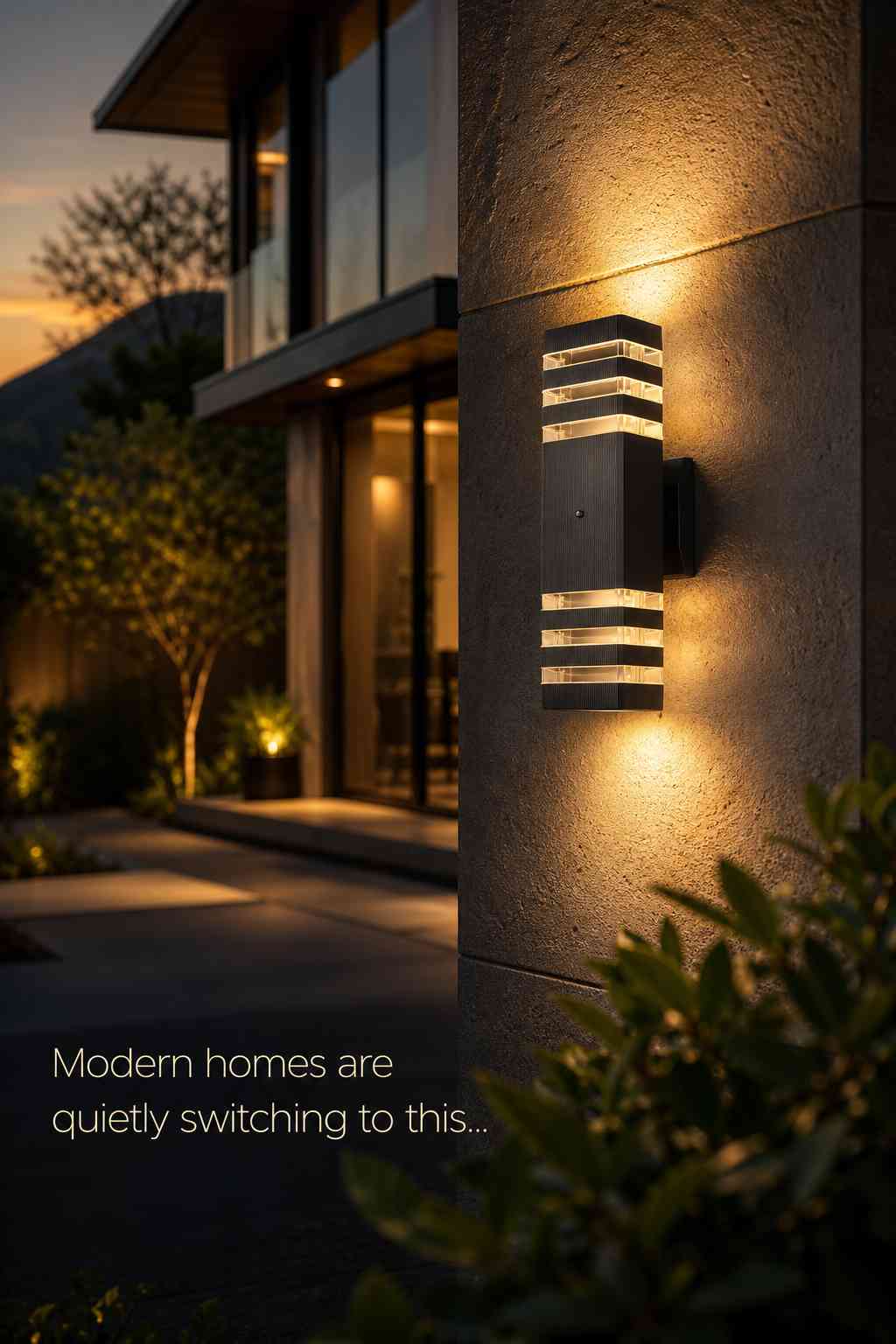
Why This Fixture Works for Grazing:
- Up and down light pattern creates shadow play above and below the fixture
- 3000K warm white enhances natural stone and warm materials
- Dusk-to-dawn sensor for automatic operation
- Die-cast aluminum construction — built for coastal and wet climates
- GU10 bulbs included
Three different ways to light the architecture
These products solve different jobs, so they should not be treated as interchangeable:
- → Browse the 24V linear wall washer — the closest fit for a dedicated washing/grazing layer where a long adjustable fixture can throw light across the facade.
- → Browse the 12V wired landscape spotlight — better for narrow architectural accents, columns, planting, and focal uplighting than for an even wall wash.
- → Browse the modern linear exterior wall light — an 85–256V AC mains decorative wall fixture. It is intentionally visible and creates a broad architectural halo, so use it as a design feature rather than calling it a concealed grazer.
For low-voltage landscape fixtures, keep the 12V/24V circuit on the output side of an appropriately sized outdoor transformer. Mains-voltage exterior fixtures should be installed in accordance with local electrical requirements.
Layering Your Outdoor Lighting System
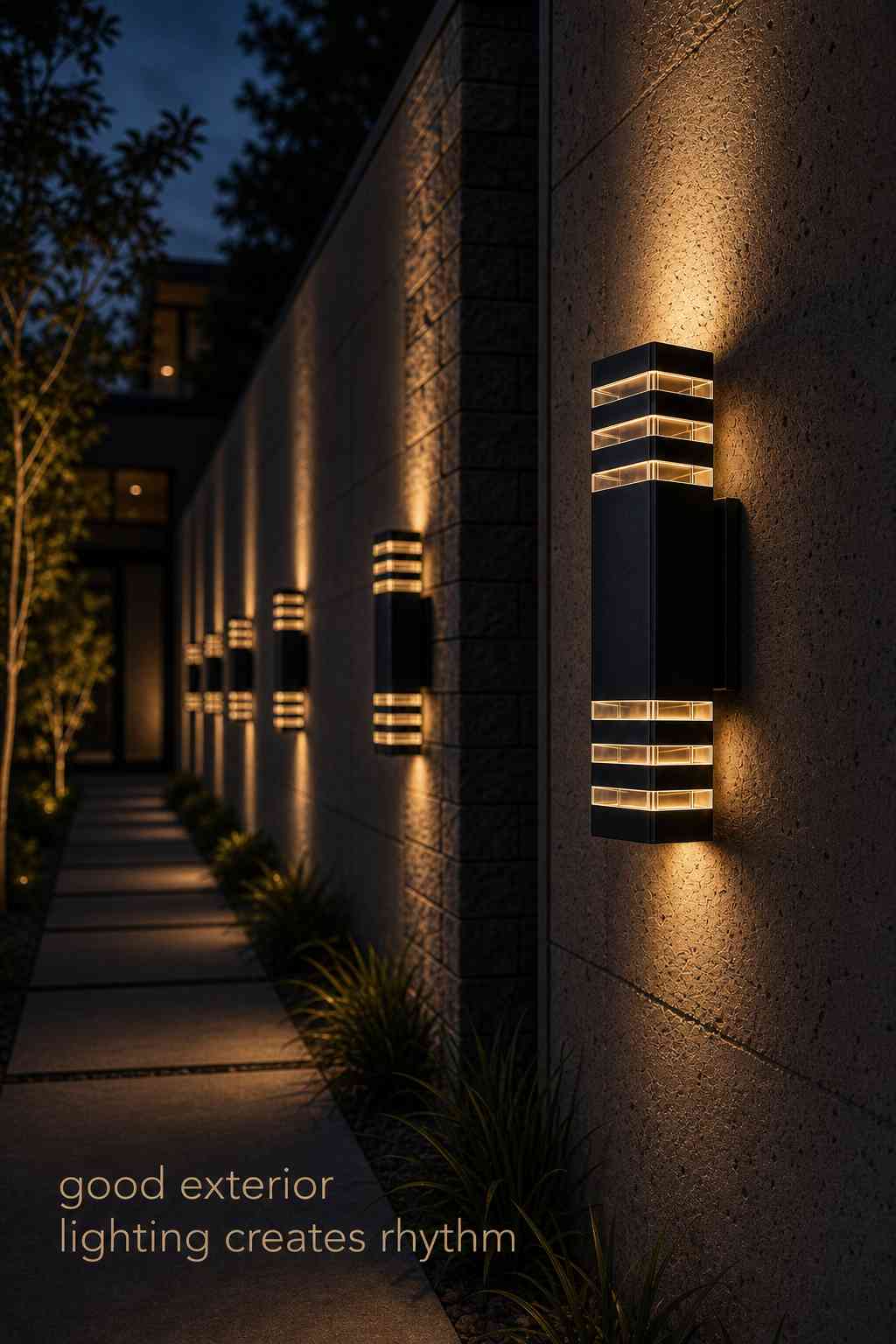
Grazing is most powerful when combined with other layers. A complete outdoor lighting system includes:
| Layer | Purpose | Recommended Product |
|---|---|---|
| Facade grazing | Defines architecture | DASTOR Up and Down Wall Lights |
| Tree and shrub uplighting | Adds depth and drama | NYMPHY Solar Spotlights |
| Path and ground lighting | Defines walkways and garden edges | INCX Solar Ground Lights |
| Ambient and accent lighting | Warms seating areas | FUSSION LED Strip Lights (400FT |
Ambient layers become even more effective when integrated into architectural details. See our guide to LED Strip Lighting for Outdoors: Voltage, Placement, and Which One to Buy for ideas on incorporating concealed lighting into seating areas, steps, and outdoor entertaining spaces.
Installation Guidelines for Architectural Grazing
| Rule of Thumb | Recommendation |
|---|---|
| Fixture spacing | 8-12 feet apart for a 20-foot wall |
| Mounting height | 12-18 inches from ground |
| Beam angle | 15-30 degrees for true grazing |
| Color temperature | 2700K–3000K for warm, inviting glow |
All mounting hardware is included, making installation straightforward for homeowners comfortable with basic electrical work.
Common Upward Lighting Mistakes
Achieving a refined result requires avoiding a few common errors:
- Over-lighting — Balanced fixture spacing ensures depth and elegance rather than a flat, over-lit appearance.
- Wrong color temperature — Warm white LEDs (2700K-3000K) create an inviting glow; cool white reads as clinical.
- Inconsistent spacing — Draws the eye to the fixtures themselves rather than the architecture.
- Lighting every surface — Eliminates the contrast that makes grazing effective. Restraint is essential.
- Ignoring landscape layers — Combining facade lighting with tree and path lighting creates a complete, intentional composition.
Well-executed architectural grazing is subtle. The goal is to make the architecture look better, not to draw attention to the lights themselves.
Maintenance and Longevity
Quality fixtures require minimal maintenance. DASTOR lights feature:
- Die-casting aluminum body — anti-rust, anti-corrosion
- Acrylic lampshade — weather-resistant, won’t yellow
- IP65 waterproof rating — withstands rain, snow, and extreme temperatures
- GU10 LED bulbs — easily replaceable
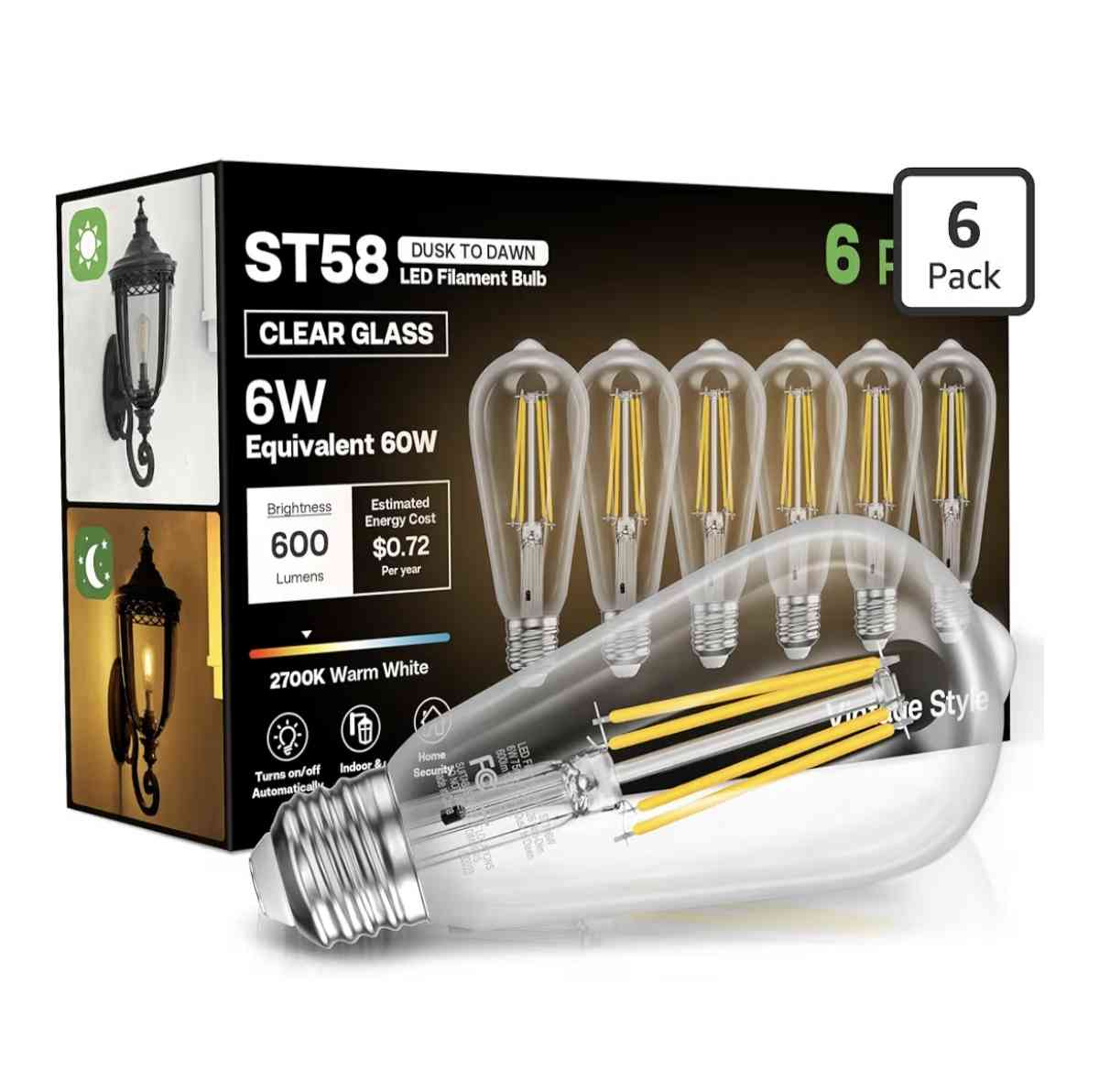
A simple seasonal cleaning keeps them performing for years. For long-term maintenance, stock spare bulbs:
Frequently Asked Questions
What’s the difference between upward lighting and wall washing?
Wall-mounted grazing fixtures project light upward and downward across the surface from the face of the wall itself, creating pronounced shadow play. Wall washing uses fixtures with wider beam spreads to illuminate the surface more evenly. Grazing emphasizes texture and detail, while washing creates a softer, more uniform effect.
How many fixtures do I need for upward lighting?
Generally, space fixtures 8-12 feet apart for a 20-foot wall. Professional designers can calculate exact spacing based on your specific architecture.
Can upward lighting work on modern smooth facades?
Yes, but the effect is more subtle. Modern facades benefit from upward lighting that emphasizes architectural lines and edges rather than heavy texture. For these surfaces, precise alignment is key, as the light beam acts as a highlighter for the building’s geometry.
Does DASTOR include bulbs?
Yes — each DASTOR light comes with 2x GU10 7W 3000K LED bulbs included.
How long does installation take?
Installation time varies depending on experience and wiring conditions, but most homeowners comfortable with basic electrical work can complete the process in under an hour per fixture. All mounting hardware is included.
Is the DASTOR light waterproof?
Yes — IP65 rated with die-casting aluminum body and acrylic lampshade. Anti-rust, anti-corrosion, and weather-resistant.
What is the warranty?
24-month manufacturer warranty.
Can upward lighting increase property value?
Yes — well-executed architectural lighting is often regarded by real estate professionals as a worthwhile investment in curb appeal and perceived luxury.
For homeowners drawn to timeless materials, our article on Copper Lanterns That Age With Grace explores another elegant approach to exterior lighting design.
Final Thoughts
Architectural grazing is one of the most cost-effective ways to elevate a home’s nighttime presence. Start with a single focal area — your main facade, a courtyard wall, or a retaining garden wall — and expand from there. Combine facade grazing with landscape uplighting for a complete, layered outdoor lighting system that feels intentional, luxurious, and thoroughly designed.
“The goal is not to light everything. The goal is to light what matters.”
In luxury design, restraint often creates the strongest impression.
Take One Grazed Wall into a Complete Exterior Scheme
Architectural grazing is strongest when it works with entrances, paths, planting and other focal points rather than standing alone. The Veluce Outdoor Lighting Blueprint helps you decide what deserves emphasis, choose the effect before the fixture, and build a coherent exterior lighting plan.
Explore More
Browse the VELUCE shop → VELUCE Collection
Save ideas for later → VELUCE on Pinterest